
Sustainability Summary
Message from Leadership
Ron Holmes, Vice President of Corporate Sustainability

This year marked a pivotal step in advancing sustainability as a core element of how Haskell operates, innovates and creates long-term value. Teams across the enterprise demonstrated a strong commitment to responsible growth, transparency and continuous improvement.
We strengthened our environmental performance by implementing more accurate greenhouse gas tracking and deploying IsoMetrix Lumina, improving data integrity and decision‑making. We also enhanced the quality and consistency of our disclosures to third‑party rating agencies, increasing the reliability of information shared with clients, team members and stakeholders.
Collaboration was central to our progress. Together with Human Resources, we developed key policies reinforcing ethical operations and governance. In partnership with Preconstruction and Legal, we established the Sustainable Procurement Policy and integrated the Supplier Sustainability Code of Conduct into contractual agreements, thus promoting accountability throughout our supply chain.
To support long-term success, we launched a cross-functional Sustainability Steering Committee and revitalized the Sustainability Council, aligning our
efforts with business objectives. These groups helped formalize Haskell’s Sustainability Vision, Mission and Purpose, providing unified direction for the organization.
We advanced risk preparedness by working with the Risk Management and Safety teams to develop the Climate Financial Risk Report, thereby strengthening our resilience to climate-related risks. In the field, we partnered with construction teams to lay the groundwork for consistent jobsite sustainability practices across all projects.
As I reflect on this year’s accomplishments, I am proud of the cross-functional leadership and teamwork that enabled them. Sustainability continues to shape the expectations of our clients, stakeholders, team members and communities. Through our collective efforts, Haskell is well-positioned not only to meet those expectations but also to lead.
Together, we can build a more sustainable world—one that embeds sustainability into every decision and discipline. I look forward to continuing this work and expanding our impact in the years ahead.
Sustainability Team
Corporate Sustainability
As sustainability continued to evolve at Haskell, we identified the need for a stronger focus on jobsite practices. To support this effort, we hired Ryley Griffin, a graduate of the Florida Institute of Technology. Ryley’s role is to position Haskell’s sustainable construction practices as an industry leader by collaborating with field teams to enhance project-level communication and reporting. He works with teams across the organization, including Blue Diamond, to identify and implement jobsite sustainability best practices.
Sustainability Steering Committee
The Sustainability Steering Committee (SSC) was established to engage leaders across the business and provide guidance, oversight and accountability for Haskell’s sustainability strategy. The committee includes leaders from all departments and focuses on aligning sustainability priorities with business goals, ensuring cross‑functional alignment and removing barriers to progress.
Some of the SSC’s key accomplishments were our Materiality Assessment Climate-Financial Risk Report and the Sustainability Perception Survey.
Ron Holmes
Vice President of Corporate Sustainability
Ron Holmes has more than 25 years of experience in Environmental, Health and Safety roles for global organizations, such as General Electric and Diageo. He has created world-class sustainability programs to drive carbon reduction while supporting customer sustainability goals. He has a bachelor’s from Youngstown (Ohio) State in Environmental Science and a master’s in environmental engineering science / MBA from Gannon University.

Kevin Doyle
Director of Corporate Sustainability
Kevin Doyle joined Haskell in October 2024, bringing nine years of experience from Encore Wire, overseeing environmental compliance, advanced sustainability strategies and coordinated ESG reporting. At Encore Wire, Kevin led a Zero Waste Initiative that increased waste diversion from 46% to 92%, diverting over 8 million pounds annually from landfills. Kevin is positioning wHaskell as an industry leader in sustainability by developing and implementing sustainable strategies and enhancing sustainability reporting and communication.

Ryley Griffin
Sustainability Associate
Ryley Griffin earned Bachelor’s and Master’s degrees in Chemical Engineering from Florida Institute of Technology, focusing on nanotechnology as an undergraduate and graduate student. He has experience in project management, system design, 3D modeling and prototype development on both a personal and industrial scale. His proposal of an AI platform to streamline the collection and analysis of jobsite sustainability data won the sixth annual Big Pitch, a Shark Tank-like innovation competition held by Dysruptek, Haskell’s innovation and venture capital arm.
Sustainability Council
At Haskell, sustainability is embedded in how we work, innovate and grow. Our Sustainability Council plays a vital role in integrating sustainable practices. The council is a group of cross-functional team members passionate about sustainability and sustainable living. To emphasize and drive sustainability across the enterprise, the Sustainability Council comprises three subcommittees:
Engage
In 2025, the Engage Subcommittee strengthened sustainability awareness and participation across Haskell offices through targeted communications, standardized recycling practices and a company‑wide Green Week event.
Engage
In 2026, the team will expand sustainability engagement across offices and jobsites, continue educational campaigns and launch planned initiatives such as a self‑guided Passport to the Planet program and an introduction to WELL Building Standards led by Haskell SMEs.
educate
The Educate subcommittee developed sustainability education playlist categories and implementation priorities for Haskell University. They also established a working group to define best practices for integrating design, procurement and construction workflows, enabling project teams to access sustainability data on materials.
educate
In 2026, the team will identify specific sustainability training courses and establish the process for assigning them to the required roles. The team will also expand access to the library of sustainable materials and develop an in-house LEED v5 training program.
EVOLVE
In 2025, the Evolve Subcommittee advanced innovation-focused sustainability initiatives, including supporting our Big Pitch submission, piloting sustainable business card solutions and evaluating tools to support data-driven design integration.
EVOLVE
In 2026, priorities include piloting lifecycle assessment tools on active projects, developing a materials evaluation framework, and launching an operational carbon dashboard to benchmark and reduce emissions.
Materiality Assessment
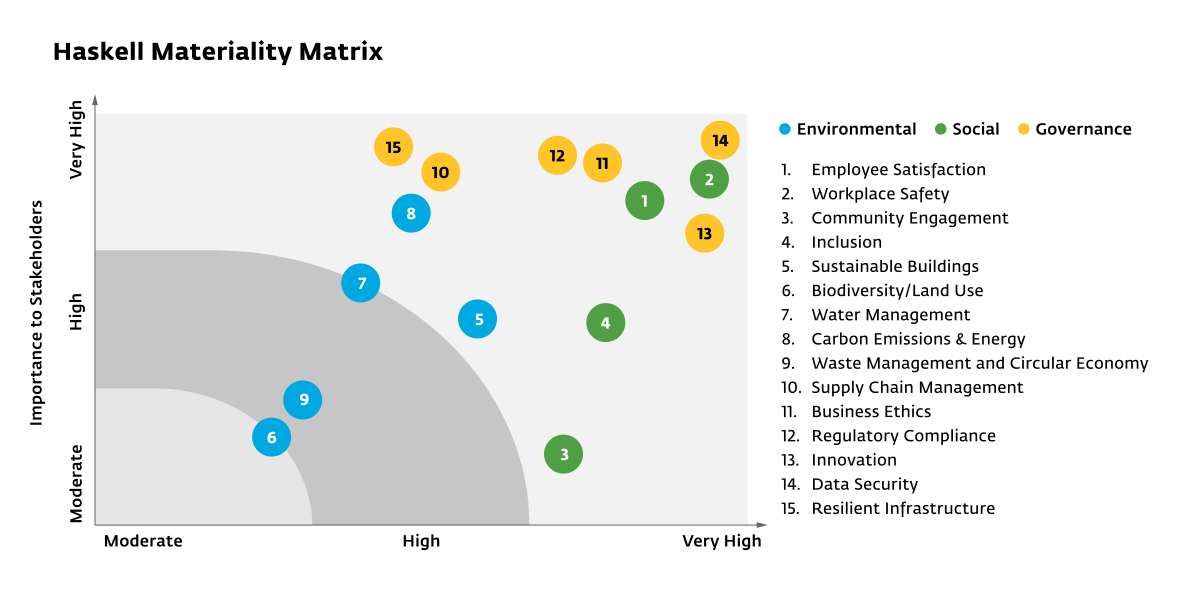
In May 2025, Haskell’s Sustainability Steering Committee conducted a materiality assessment to identify key environmental, social and governance (ESG) priorities. The findings, approved by the Executive Leadership Team, serve as a strategic guide for aligning sustainability efforts with long-term business objectives.
The 2025 materiality assessment confirms that Haskell’s future is grounded in people, integrity, innovation and environmental stewardship. By aligning sustainability priorities with the issues most critical to our business and stakeholders, we reinforce a strong foundation for long‑term success.
Several themes emerged:
- People First: Employee satisfaction, workplace safety and inclusion remain top priorities.
- Trust & Integrity: Ethics, compliance and supply chain practices are essential to how we do business.
- Innovation & Resilience: Technology, infrastructure and security are critical to our future success.
- Environmental Impact: Energy, water and sustainable building practices continue to drive our environmental agenda.
- Community Engagement: Strong relationships with the communities we serve are highly valued.
Looking ahead, Haskell will:
- Integrate findings into overall business strategy
- Maintain strong transparency and accountability
- Foster ongoing collaboration with stakeholders
- Continue driving innovation for a sustainable future
- Strengthen employee engagement, satisfaction, and safety
- Safeguard trust by strengthening data security and resilience
Haskell’s Sustainability Pillars
Throughout the year, we have often been asked, “What is sustainability?” and “What does sustainability mean to Haskell?” To bring clarity, we developed the Haskell Sustainability Pillars, a structured framework that will guide our long‑term sustainability ambitions. By identifying our impacts and opportunities, the pillars help organize complex sustainability challenges into focused priority areas that align with our business strategy. Together, they form the foundation for setting measurable goals, directing resources, and ensuring consistent progress toward a more resilient and responsible future.
Commitment
Leverage advanced technologies and best practices to mitigate risks
Carbon
Decarbonize buildings and jobsites and enhance energy efficiency
Water
Optimize water use and reduce stormwater runoff impacts
Waste
Maximize landfill diversion, advance circular practices and strengthen material reuse
Employee Wellness
Ensure healthy, safe work environments for all employees
Materials
Source sustainable materials to minimize environmental impact
Haskell’s Emissions
2025 marked Haskell’s second year of calculating greenhouse gas emissions. Building on our 2023 baseline, we streamlined our data collection processes and accounting practices, resulting in more accurate and reliable emissions data.
One of the key improvements was the implementation of IsoMetrix, Lumina. Lumina is a cloud-based software solution designed to manage our greenhouse gas emissions inventory. The software is tailored to our industry and is scalable to support all of our office and jobsite locations.
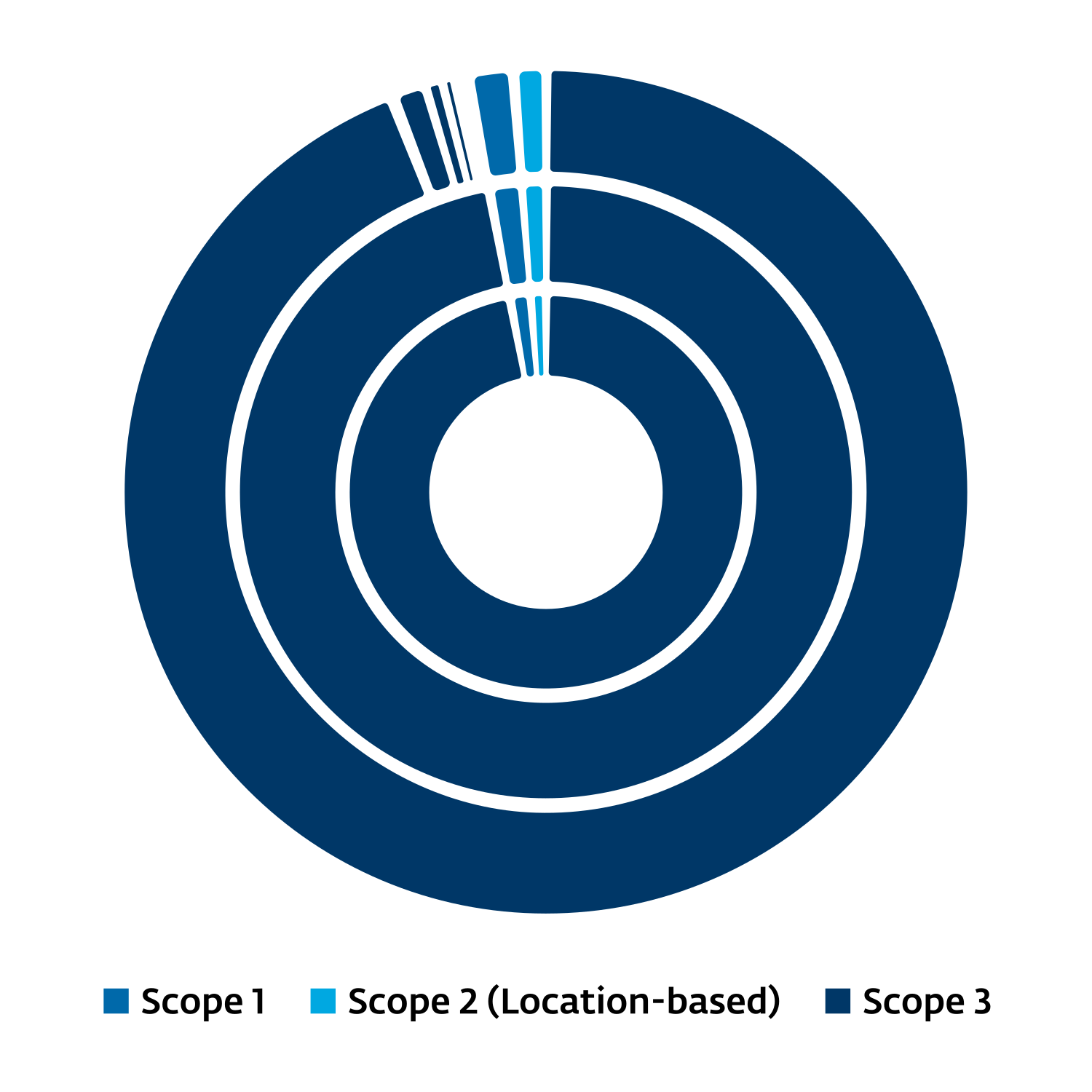
As a reminder, Scope 1 covers direct greenhouse gas emission from company-owned sources such as fuel burned in vehicles, and onsite equipment. Scope 2 includes indirect emissions from purchased energy such as electricity, heating and cooling. Scope 3 accounts for all other indirect emissions across our value chain, including purchased goods and services, waste, business travel and products use.
Below is the breakdown of our Scope 1, Scope 2 and Scope 3 emissions representing our 2024 Greenhouse Gas Emissions.
Third Party Rating
Haskell participates in global sustainability disclosures and benchmarking platforms to evaluate performance and strengthen transparency. These assessments provide independent validation of our sustainability practices and help guide continuous improvement in our program.
CDP
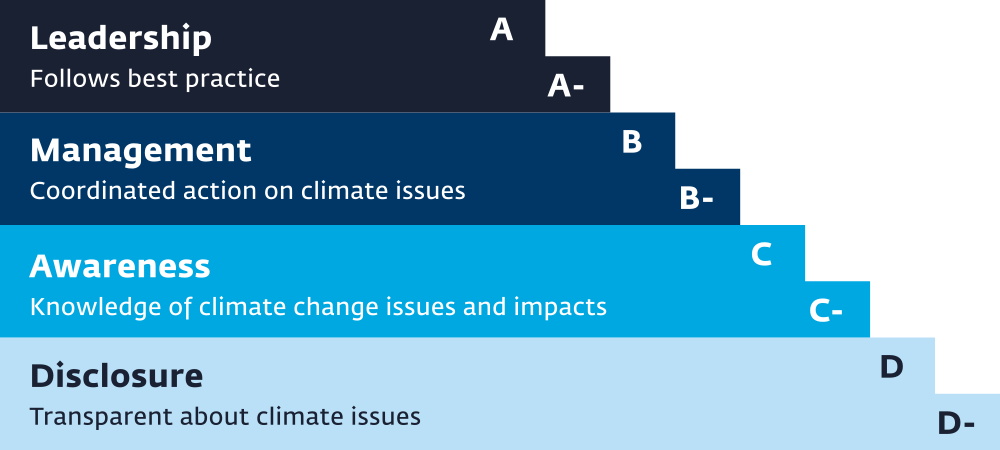
CDP provides a platform for reporting environmental impacts across categories such as climate change, deforestation and water security. Submitted data is scored to reflect an organization’s level of transparency, awareness and climate-related risk.
Our 2025 CDP results showed strong progress, improving from a D (Disclosure) to a C (Awareness) in both Climate Change and Water Security.
EcoVadis
This evaluation measures the strength of our environmental, social and governance programs across four categories: Environmental, Labor & Human Rights, Ethics and Sustainable Procurement.
Using the gap analysis from our 2024 results, Haskell improved its performance and earned the EcoVadis Committed Badge by making meaningful progress in all four areas, supported by strong collaboration with our HR and Procurement teams.
Sustainable Building Practices Adoption Maturity Index
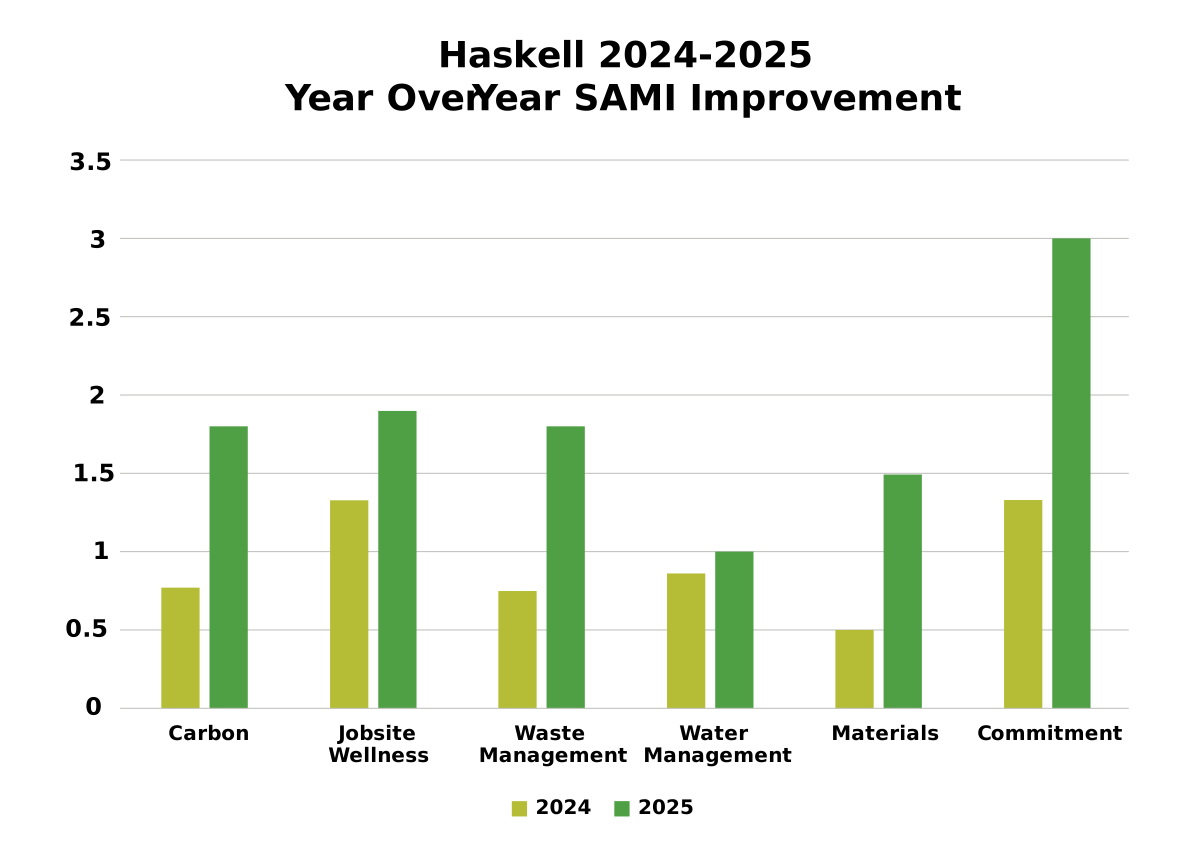
The Sustainable Building Practices Adoption Maturity Index (SAMI) is an evaluation of our sustainable jobsite practices. The assessment is conducted by AXA XL, our insurance company. The assessment benchmarks Haskell directly against other North American construction companies of similar size and operations; it also shows how we compare with all participating construction companies, regardless of size. The assessment uses the Contractor’s Commitment as a conceptual framework to evaluate factors within the control of builders and is composed of six categories: carbon, jobsite wellness, waste management, water management, materials and commitment. Each fall, AXA XL conducts a desktop review of our programs to evaluate our progress and provide a personalized report comparing our performance with current industry trends and peers.
SAMI has provided Haskell with a framework to create, grow and compare our sustainability efforts with the rest of the industry. In 2025, Haskell demonstrated significant improvement across all categories, doubling our overall score and achieving a “Good” rating in carbon and water management and a “Better” rating in commitment. We were
commended for our clear focus on developing our team and our tactics across the board. Through the Sustainable Building Practices Adoption Maturity Index, Haskell has the guidance necessary to build a better, more sustainable future.
Sustainability Engagements
Industry Recognition
Haskell continues to be recognized for its leadership in environmental and sustainable infrastructure through rankings by Engineering News-Record (ENR). ENR provides annual rankings of top design firms, contractors and environmental firms in the construction industry. The rankings are divided into specific markets across various specialties.
For 2025, Haskell placed among the Top 10 firms across multiple environmental and sustainable infrastructure categories, reflecting the firm’s expertise in environmental infrastructure and sustainable design.





Sustainability Perception Survey
For Haskell to be successful and achieve its vision of becoming a Sustainability Leader within AEC, we need the help of all our team members. To understand how our team members feel about sustainability and Haskell’s sustainability, we rolled out a Sustainability Perception Survey.
The survey consisted of 5 questions. The questions were designed to understand team members’ opinions on sustainability and Haskell’s approach. Over 1,000 team members participated.
Overall, the results of the first survey were positive. Two questions on the importance of sustainability scored an average of 4.21 out of 5.
The other three questions that focused on Haskell’s approach scored an average of 3.74 out of 5.
The results validated several important insights:
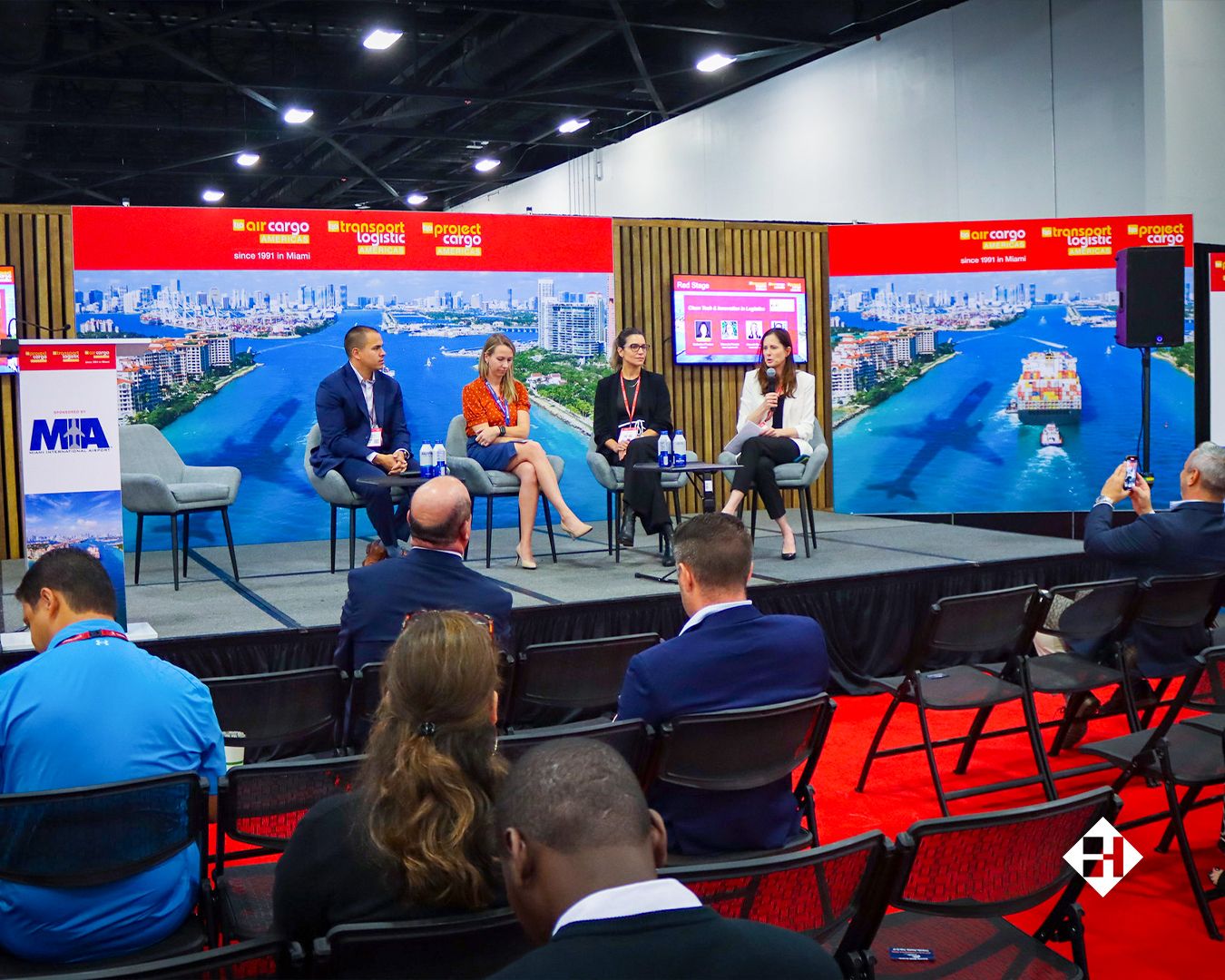
Industry Engagement


Commitments
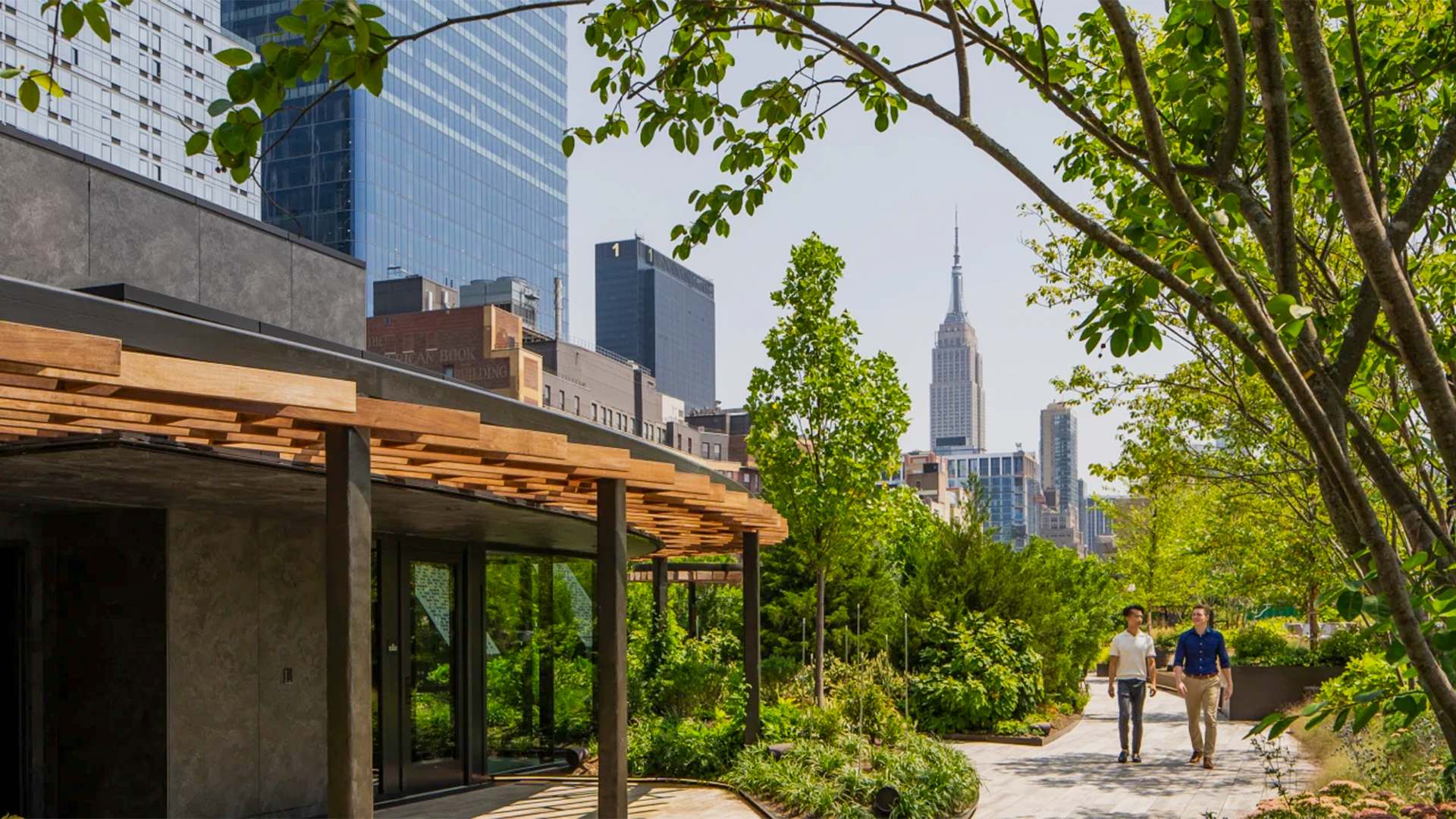
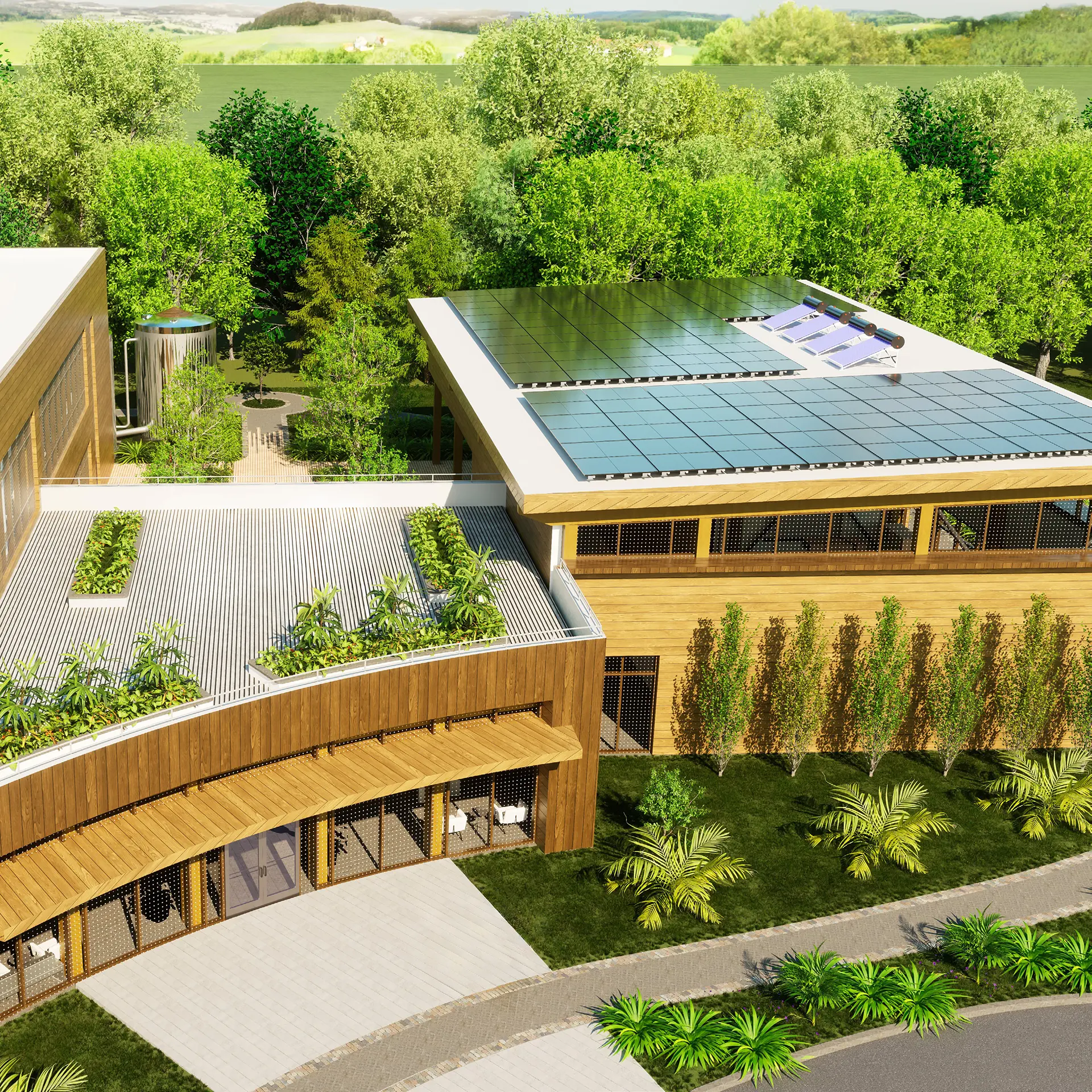
In 2026, our sustainability focus will be on advancing the core capabilities that will strengthen Haskell’s long‑term sustainability performance and operational resiliency. We will establish high‑level carbon‑reduction commitments to guide our decarbonization strategy and enable transparent progress reporting. Building internal capabilities is a priority, including developing comprehensive sustainability training to equip team members with the knowledge and tools to embed sustainable practices across the business.
We will enhance sustainable sourcing by expanding supplier expectations and improving transparency throughout our value chain. Across our operations, we will leverage AI to drive smarter, more efficient decision‑making and to streamline data collection and analysis. On the ground, we will elevate jobsite sustainability by reducing waste, improving data collection and strengthening environmental controls. Finally, we will continue promoting sustainable design strategies that reduce lifecycle impacts and deliver long‑term value for our clients. Together, these priorities position us for meaningful, measurable progress in 2026 and beyond.
Looking Ahead
Our focus remains clear: to embed sustainability more deeply into our decision-making, our culture and our projects. The foundations we strengthened this year position us to accelerate meaningful progress across the enterprise. By continuing to improve data integrity, operational excellence, responsible sourcing and cross-functional alignment, we will enhance both the resilience of our business and the value we deliver to our clients and communities.
The challenges ahead demand innovation, accountability and shared purpose—qualities that define Haskell’s people and our approach to integrated delivery. With the momentum we have built and the unified direction now in place, we are entering the coming year prepared not only to advance our goals but to set new standards for our industry.
Thank you to every team member whose leadership, expertise, and dedication made this year’s achievements possible. Together, we will continue shaping a future where sustainability is not just an initiative, but a lasting testament to how we build, operate and lead.
Recognized By

Engage
In 2025, the Engage Subcommittee strengthened sustainability awareness and participation across Haskell offices through targeted communications, standardized recycling practices and a company‑wide Green Week event.
In 2026, the team will expand sustainability engagement across offices and jobsites, continue educational campaigns and launch planned initiatives such as a self‑guided Passport to the Planet program and an introduction to WELL Building Standards led by Haskell SMEs.
educate
In 2025, the Educate subcommittee developed sustainability education playlist categories and implementation priorities for Haskell University. The subcommittee also established a working group to define best practices for integrating design, procurement and construction workflows, enabling project teams to access sustainability data on materials.
In 2026, the team will identify specific sustainability training courses and establish the process for assigning them to the required roles. The team will also expand access to the library of sustainable materials and develop an in-house LEED v5 training program.
evolve
In 2025, the Evolve Subcommittee advanced innovation-focused sustainability initiatives, including supporting our Big Pitch submission, piloting sustainable business card solutions and evaluating tools to support data-driven design integration.
In 2026, priorities include piloting lifecycle assessment tools on active projects, developing a materials evaluation framework, and launching an operational carbon dashboard to benchmark and reduce emissions.